

|
Key takeaways:
|
Axolotls do not live in the ocean. They are freshwater salamanders native to the Lake Xochimilco wetland and canal system near Mexico City, and they depend on cool, clean freshwater to survive. A Science News report notes that wild axolotl numbers have been estimated at roughly 50 to 1,000 individuals, highlighting how vulnerable their remaining habitat is.
This question usually comes from a real worry. People see “water puppy” videos, hear the word “lake,” and assume ocean or brackish water might be fine. Others wonder if aquarium salt, marine sand, or a saltwater tank setup could hurt an axolotl, especially after a mistake during a water change.
This article explains why the saltwater myth persists, where axolotls actually live in nature, and what their native habitat tells you about safe water conditions in a home tank.
What Is an Axolotl?
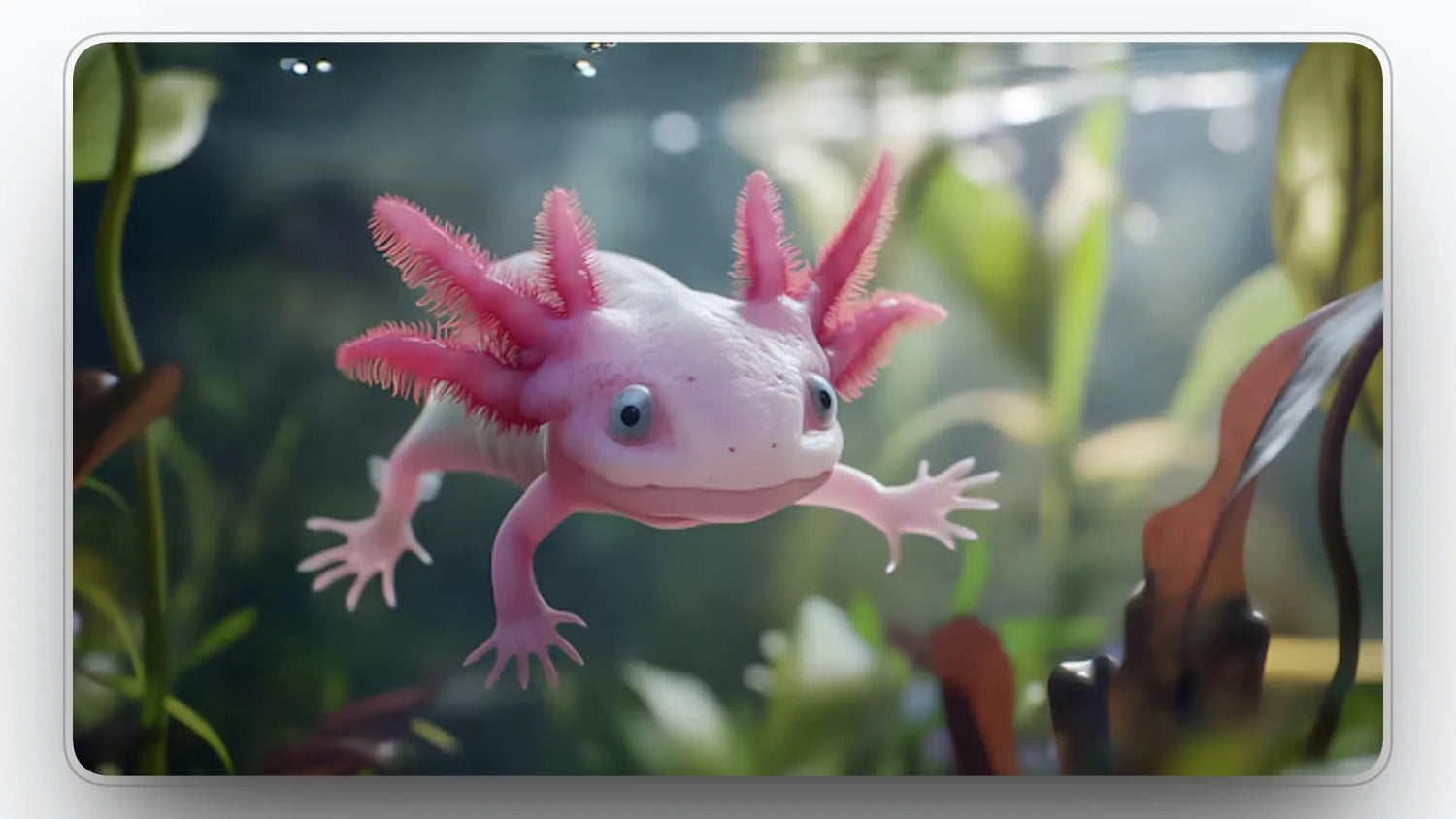
An axolotl is an aquatic salamander, not a fish. It has soft skin, a wide head, and feathery external gills that let it breathe underwater. Unlike most salamanders, it usually keeps its juvenile features and stays fully aquatic as an adult, which is called neoteny. In the wild, axolotls come from freshwater wetlands around Lake Xochimilco near Mexico City.
Why Axolotls Cannot Live in Saltwater
Axolotls are freshwater salamanders, so saltwater conditions do not match how their bodies handle water and breathing. Even low salt exposure can cause stress because their skin and external gills stay in direct contact with the water.
Freshwater and Saltwater Pull Water in Different Directions
In freshwater, an axolotl can keep the right balance of water and minerals in its body. In saltwater, that balance can shift too fast. The salty water can pull moisture out of the body and irritate the skin and gills, which can lead to visible stress and health problems.
External Gills Make Salt Exposure Riskier
Axolotls breathe using feathery external gills. These gills are delicate and always exposed, so water quality matters every minute. Harsh conditions, including salt exposure, can damage sensitive tissue and make breathing harder over time.
Brackish Water Is Still a Problem
Brackish water is a mix of fresh and salt water, and it is not a safe middle option for axolotls. Brackish and saltwater tanks are built for animals that tolerate higher salinity. For axolotls, even moderate salt levels can create ongoing stress and raise the risk of irritation.
|
Water type |
Typical use |
Safe for axolotls? |
Why |
|
Freshwater |
Lakes, rivers, freshwater aquariums |
Yes |
Matches axolotl biology and native habitat |
|
Brackish |
Some coastal tanks |
No |
Salt exposure can cause stress and irritation |
|
Saltwater |
Reef tanks, ocean |
No |
High salinity can harm skin and gills |
Where Axolotls Live in the Wild
Wild axolotls do not live in oceans, rivers across the Americas, or coastal wetlands. Their natural range is extremely small and tied to a specific freshwater lake and canal system near Mexico City.
Native Range in One Sentence
Wild axolotls are native to the Lake Xochimilco wetland and canal system in Mexico City. To picture Xochimilco, do not think of a deep open lake. National Geographic describes it as a lake complex made up of artificial channels, small lakes, and temporary wetlands.
The Historic Habitat People Still Mention
Some reputable references also list Lake Chalco alongside Xochimilco as part of the axolotl’s historic range. Lake Chalco is often described as a former lake in the Valley of Mexico, which is why modern sources treat Xochimilco as the key remaining wild habitat.
What That Habitat Is Like
- Shallow canals and wetlands: Wild axolotls are linked to still or slow-moving freshwater, and modern descriptions focus on the canals and wetland remnants around Xochimilco.
- Plant-filled edges and soft bottoms: Xochimilco supports dense aquatic plant growth along canal edges, and these sheltered areas are part of what makes the habitat usable for a fully aquatic salamander.
- Freshwater in a high-altitude basin: AmphibiaWeb and conservation references describe axolotls as native to high-altitude freshwater in the Valley of Mexico, now centered on the Xochimilco system.
Quick detail that helps readers
This is a freshwater system shaped by canals and chinampas, which are traditional agricultural islands built within the wetland landscape. That context explains why the habitat is not “ocean-like” in any practical sense.
Why the “Ocean Axolotl” Myth Spreads
Axolotls stay underwater and have feathery external gills, so many people mistake them for fish. Some posts call them “walking fish,” even though axolotls are salamanders.
Social media and games spread the mix-up because they often skip habitat details. Many videos show axolotls in colorful tanks that look similar to marine setups, which can make saltwater or brackish water seem reasonable. In reality, wild axolotls come from freshwater around Lake Xochimilco, so the “ocean axolotl” idea is a common but unsafe myth.
How to Match Their Native Habitat in a Home Tank
Axolotls do best in cool, clean freshwater that stays stable day after day. When temperature or water quality shifts too often, axolotls can show stress because their skin and gills stay in constant contact with the water.
Focus on Cool, Stable Freshwater
The Royal Veterinary College lists an optimum environmental temperature of 16 to 18°C for axolotls and says it should never exceed 24°C. If your home runs warm, plan your cooling method before you bring an axolotl home. For a step-by-step setup plan, see your axolotl tank setup guide.
Water Safety Basics
Tap water often contains chlorine. The Royal Veterinary College notes chlorine is harmful to axolotls, so you should treat tap water with a dechlorinator before it enters the tank. For routine care steps and product-safe handling, use your axolotl care guide.
To keep water stable, focus on the basics below:
- Cycle the tank first: Establish stable filtration before adding an axolotl so the tank can handle waste safely.
- Test on a schedule: Use a freshwater test kit to catch problems early instead of guessing.
- Keep maintenance consistent: Small, steady water changes and gentle cleaning help prevent sudden swings.
What to Do if Someone Accidentally Used Salt
Do not add more salt to balance it out. Remove the salt source and return the tank to safe freshwater conditions.
If salt was added by mistake:
- Stop the salt exposure: Do not continue dosing or topping off with salty water.
- Move to safe freshwater if needed: If the axolotl is still in salty or brackish water, move it to conditioned freshwater that matches the tank temperature as closely as possible.
- Watch for distress: If you see ongoing signs of trouble, contact an exotics veterinarian for guidance.
Where to Buy an Axolotl Safely
If you plan to buy an axolotl, choose a source that prioritizes animal health and responsible breeding. Look for clear details on age, feeding history, current water conditions, and recent photos of the exact animal. A trustworthy seller should answer care questions, explain their shipping process, and share what support they offer if the axolotl arrives stressed or unwell.
Before you order, make sure your tank is cycled, your water is conditioned, and your temperature plan is ready. If you want to shop from a specialist source, view the available axolotls at Axolotl Planet and select one that matches your setup and experience level.
FAQs
Do axolotls live in the ocean?
No. Axolotls are freshwater amphibians and do not live in the ocean. In the wild, they are native to lakes and wetlands in southern Mexico City, especially the Xochimilco canal and lake system. That habitat is freshwater, not coastal or marine.
Are axolotls saltwater or freshwater animals?
Axolotls are freshwater animals. Their natural habitat is a freshwater lake and wetland system, and their care guidance is written around freshwater tank conditions. Saltwater is not part of their normal environment.
Can axolotls live in brackish water?
No. Brackish water still contains salt, and axolotls are not adapted to salt exposure as a normal living condition. If you are keeping an axolotl as a pet, use stable, conditioned freshwater instead of brackish or marine setups.
Where do wild axolotls live today?
Wild axolotls are tied to the canals and wetlands of Xochimilco in Mexico City. This is a small part of a much larger historic lake system in the Valley of Mexico. Many reputable references describe Xochimilco as the key remaining natural home in the wild.
Did axolotls ever live in Lake Chalco?
Yes. Reputable references describe axolotls as native to Lake Xochimilco and Lake Chalco in southern Mexico City. They also note that Lake Chalco was drained and has almost completely disappeared, which is why Xochimilco is the main focus today.
Why are axolotls called “walking fish” if they are not fish?
The nickname comes from how they look and live. Axolotls stay underwater, have feathery external gills, and use their legs to walk along the bottom. Even with that nickname, they are amphibians, not fish.
What water temperature is best for axolotls?
The Royal Veterinary College lists an optimum environmental temperature of 16 to 18°C. It also says the temperature should never exceed 24°C. Keeping the tank cool and steady helps avoid heat stress.
What should I do if salt gets into my axolotl tank?
Stop the salt exposure and remove the source, such as marine salt mix, salty water, or salty decor. Return the tank to conditioned freshwater and avoid sudden temperature changes while you correct the water. If your axolotl shows ongoing distress, contact an exotics veterinarian for guidance.


Leave a comment
This site is protected by hCaptcha and the hCaptcha Privacy Policy and Terms of Service apply.