

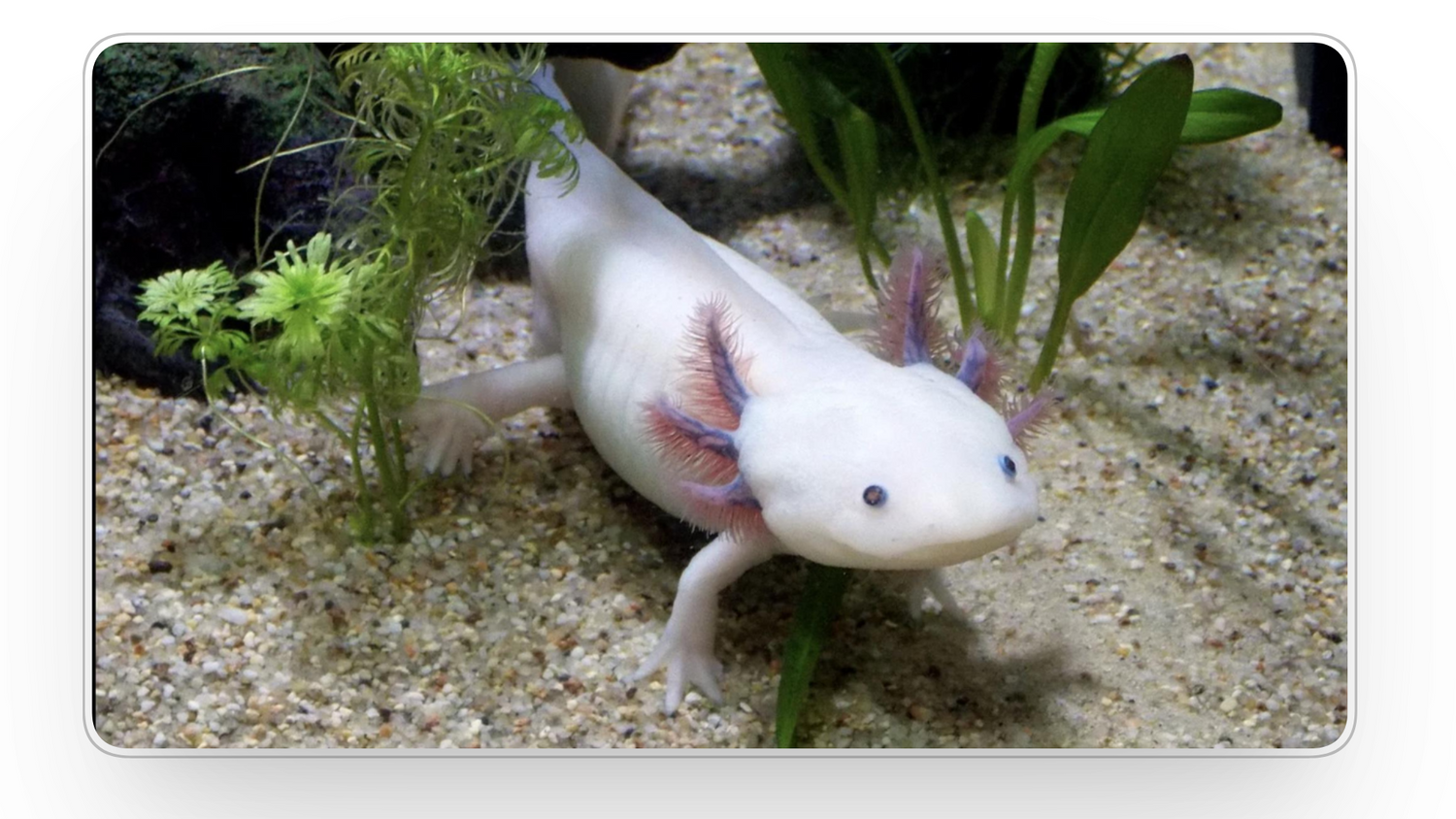
If you’ve been seeing axolotls all over TikTok and Instagram, it’s easy to think they’re cheap, low-effort pets you can grab for pocket change. The clips show a tiny “smiling” face in a desk tank, but not the reality that axolotls can live 10–15 years and grow to full-sized predators that need cool, stable water to survive.
The axolotl itself can be fairly affordable, but the real cost comes later. A proper cool-water tank, chiller or fan, good filtration, liquid test kits, safe substrate, hides, and high-quality food often add up to far more than the animal’s price. Buy from the wrong seller and you can also inherit hidden health issues, legal trouble, or vet bills that turn a “cheap” axolotl into an expensive mistake.
This guide breaks down what axolotls really cost in 2025, from common morphs to rare, high-demand glow-ups, so you can spot fair prices and red flags fast. You’ll also get 9 quick checks to walk through before you buy, helping you vet the seller, avoid illegal or unethical sources, and choose a healthy axolotl that’s actually set up to thrive.
Axolotl Cost Checklist: 9 Things to Check First
|
Before you bring an axolotl home, walk through these 9 quick checks to be sure the “cheap” deal you see is actually safe, legal, and affordable long term.

1. Get a Realistic Axolotl Price Range
To get a realistic axolotl price range, start by comparing listings from several sources in your region, including local hobby breeders, exotic pet shops, and reputable online axolotl stores. Pay attention to what common morphs like wild type, leucistic, and golden albino usually sell for, then compare that to the price of the exact morph you want across multiple sellers. If you see a price that sits far below everyone else’s, or a basic morph being hyped as “ultra rare” with no explanation, treat that as a red flag rather than an amazing deal. Once you’ve seen enough normal 2025 pricing for your area, spotting both scams and unfair markups becomes much easier.
2. Add Up the True Tank Setup Investment
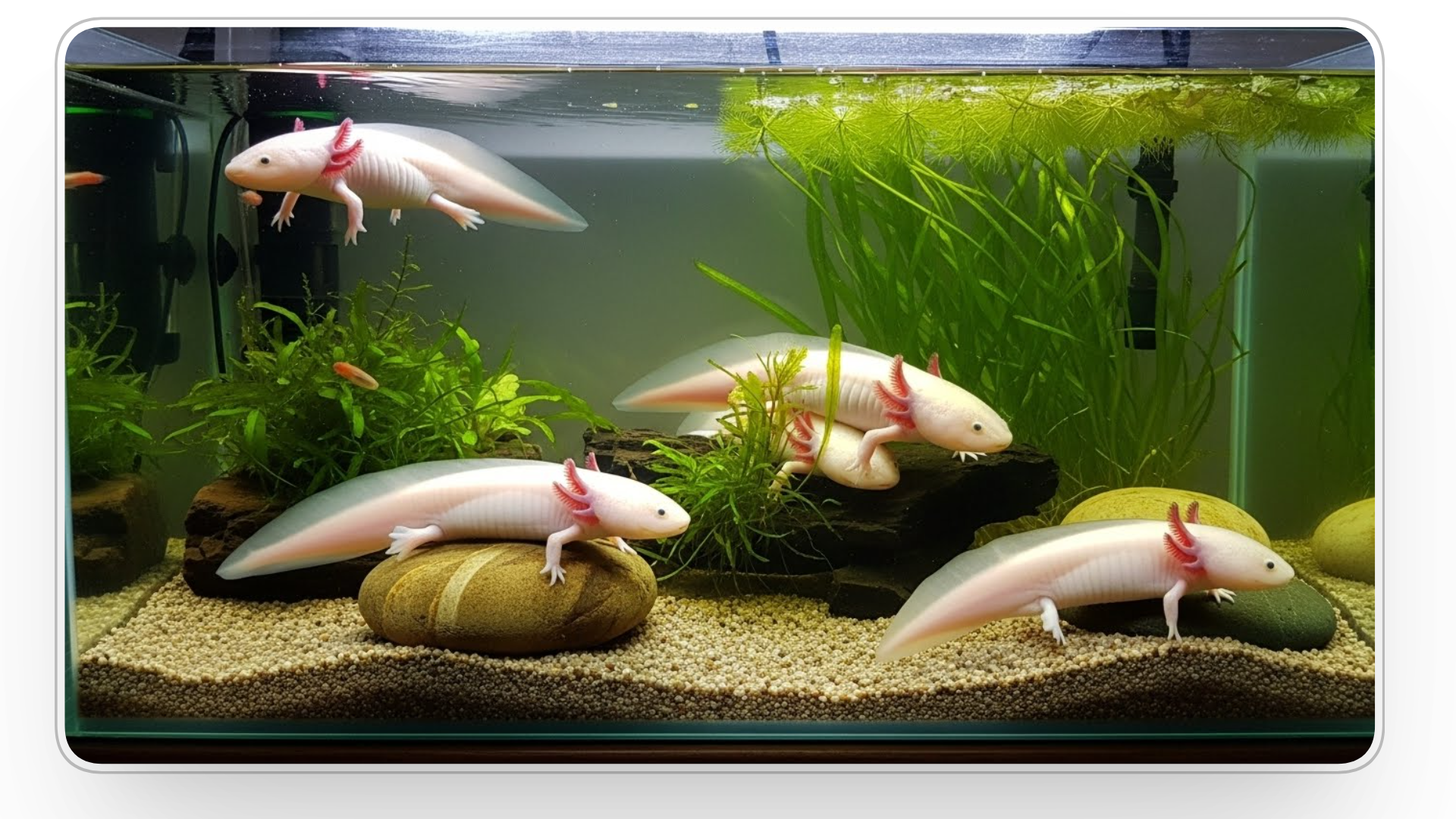
A “cheap” axolotl stops feeling cheap once you factor in the tank and gear. At minimum you’ll pay for a glass or acrylic tank of around 20 gallons for one adult, a gentle filter on a fully cycled system, some way to keep the water in the mid-60s °F (such as a fan or chiller), and a liquid test kit to monitor ammonia, nitrite, and nitrate. You also need a safe substrate like bare bottom or fine sand, smooth hides or caves, and water conditioner to make tap water safe. When you add all of that to the animal’s purchase price, the real cost of getting started in 2025 is often several times more than the axolotl itself, which is why a bargain animal without a proper setup is never a good deal.
3. Budget for Ongoing Care, Not Just Day One
On top of the setup, axolotls bring a steady trickle of monthly costs for as long as they live. You’ll be buying food such as quality sinking pellets, frozen bloodworms or brine shrimp, and earthworms, paying for the electricity that runs your filter, cooling fans or a chiller, and any low-watt light you use, and topping up supplies like water conditioner and test kit reagents. Now and then you may also need a vet visit, medication, or replacement gear if a filter or chiller fails. Spread over a 10–15 year lifespan, those small recurring expenses add up, so if that ongoing budget already feels tight, an axolotl may not feel “cheap” in the long run, even if the first animal was inexpensive.
4. See How Color and Genetics Affect Cost
Color and genetics are a big reason why one axolotl can cost several times more than another in 2025. Common morphs such as wild type, leucistic, golden albino, and basic albino usually sit in the more affordable range, while stacked-gene morphs like Melanoid Axanthic Copper (MAC), Copper Melanoid, Axanthic Copper, hypomelanistic types, and unusual patterns like lavender, Silver Dalmatian, piebald, true mosaics, chimeras, or Non-Albino Goldens (NAG) tend to be priced much higher. When you talk to a seller, ask exactly which morph you’re looking at and why its price is higher or lower than similar animals elsewhere; if they can’t give a clear explanation, or if the price is wildly out of line with what other breeders charge for the same morph, it’s a sign to slow down and do more research.
5. Vet the Breeder or Store Before You Buy
Who you buy from often matters more than shaving a few dollars off the price. A solid breeder or shop will show clear, unedited photos of the actual animals for sale, offer basic but accurate care advice that mentions cool water, cycling, and proper tank size, and usually has some kind of track record in axolotl communities, reviews, or social media. In contrast, sellers who only use heavily edited or generic pictures, never mention water quality or tank size, or label every basic morph as “super rare” without explanation are warning signs. Paying a bit more to someone with transparent practices and a good reputation almost always works out cheaper in stress, losses, and vet bills than chasing the absolute lowest price from an unknown source.
6. Evaluate Health, Age, and Size in Person or by Photo
Price doesn’t matter if the axolotl itself is in poor shape. Whether you’re looking at photos or seeing the animal in person, check that the body is gently filled out instead of razor-thin and bony, the gills are fluffy and intact without white fuzz, rot, or heavy damage, and all limbs and the tail are present and shaped normally. The axolotl shouldn’t be constantly floating, struggling to stay down, or gasping at the surface. Ask the seller how old the animal is, how long it is now, what it’s currently eating, and whether it has had any health issues. A well-started juvenile that eats well and ships reliably often costs more than a tiny hatchling, but for most beginners it’s a far safer and better-value choice.
7. Double Check Local Laws and Restrictions
Before you fall in love with any listing, make sure you’re actually allowed to own an axolotl where you live. Some regions ban them outright, others require permits, and many have restrictions on transport or import between states, provinces, or countries. Instead of relying on whatever a seller tells you, check your national regulations on exotic or aquatic pets, then your state or regional wildlife and fisheries rules, and look specifically for salamanders, amphibians, or axolotls by name. If axolotls are illegal or tightly controlled in your area, trying to sneak one in can lead to fines, confiscation, and a very bad outcome for the animal, so it’s always better to walk away than buy a “cheap” axolotl you can’t legally keep.
If you’re in the United States, it also helps to cross-check your plans against a clear state-by-state breakdown instead of guessing from random comments online. Fantaxies has a detailed guide, Axolotls Legal & Illegal USA States: The Complete List, that walks through where axolotls are legal, which states ban them, and where permits are required..
8. Factor In Shipping, Packaging, and Guarantees
When you buy online in 2025, shipping is a big part of the real price tag. Before you commit, ask how the seller ships (overnight or slower service), what kind of packaging they use (insulated boxes and heat or cold packs when needed), and which days they send animals out so they don’t sit in a warehouse over weekends, holidays, or extreme weather. Also find out if they offer a clear live-arrival guarantee, what proof they require if something goes wrong, and whether they refund, replace, or offer store credit in that case. Shipping can add a significant amount to your total cost, so a rock-bottom animal price paired with poor packing and no guarantees is not a bargain; it’s a gamble with the axolotl’s safety.
9. Be Honest About What You Can Afford Long Term
The last check is about you, not the seller. Ask yourself whether you can pay for a proper setup right now, including a suitable tank, filter, and any cooling you’ll need, and whether you can comfortably cover food, water treatment, and electricity for years rather than just a few months. It’s wise to have at least a small buffer for emergencies like a broken filter, a failing chiller, or a vet visit, and to think about how likely you are to move, change housing, or run into landlord or dorm rules about tanks and exotic pets. If your honest answer is that you can’t yet provide for an axolotl long-term, it’s smarter to save and plan than to jump on a “cheap” listing that you may not be able to support.
Where to Buy Rare Axolotls in 2025

Most rare axolotl morphs come from specialist breeders or reputable online shops like Axoloti Planet, not regular pet stores. MAC, Copper Melanoid, Axanthic Copper, hypomelanistic, lavender, and piebald types are produced in low numbers and sell out fast.
Rare morphs often cost $150–$400+ and exceptional animals can be higher. Always get clear photos of the exact axolotl, the correct morph name, and a health or live‑arrival guarantee, and avoid vague “super rare” claims.
FAQs
1. Why do axolotls on TikTok seem cheaper than what breeders charge?
Many social media prices are old, local, or for basic morphs sold with poor advice, while reputable breeders charge more because they invest in healthy lines, proper care, and safe shipping. You’re paying for lower risk and support, not just the animal.
2. Are pet store axolotls really cheaper in the long run?
They can be cheaper at the counter but often come with bad setups and weak animals that lead to higher vet and replacement costs. A slightly more expensive axolotl from a good breeder is usually cheaper and safer over time.
3. How much more do rare morphs cost than common ones in 2025?
Common morphs often range around $25–$90, while many rare or stacked-gene morphs sit closer to $150–$400+ in 2025. Ultra-rare, one-off animals can go even higher depending on demand and bloodline.
4. Is it cheaper to buy a baby axolotl and raise it myself?
The upfront price can be lower, but babies are more fragile and can be harder for beginners. A well-started juvenile usually costs a bit more but is often easier and safer to keep.
5. Why are shipping costs so high for axolotls?
Safe shipping needs fast delivery, insulated packaging, and sometimes heat or cold packs, which all add up. Cutting corners on shipping usually risks stress, injury, or loss of the animal.
6. Can I save money by buying a used tank and equipment?
Yes, a used tank and stand can save a lot if they’re sound and cleaned well, but you should still buy fresh test kits, conditioner, and any missing or worn parts. Never skip on water quality tools just to save a few dollars.
7. Do axolotls get more expensive as they grow?
Larger juveniles often cost more because the breeder has put more food and time into them and they’re past the most fragile stage. That higher price can mean a safer, smoother start for new keepers.

Leave a comment
This site is protected by hCaptcha and the hCaptcha Privacy Policy and Terms of Service apply.